Pleural
Diseases
Expert management of conditions affecting the pleural space - the thin lining around your lungs. From diagnosis to advanced interventional treatments.
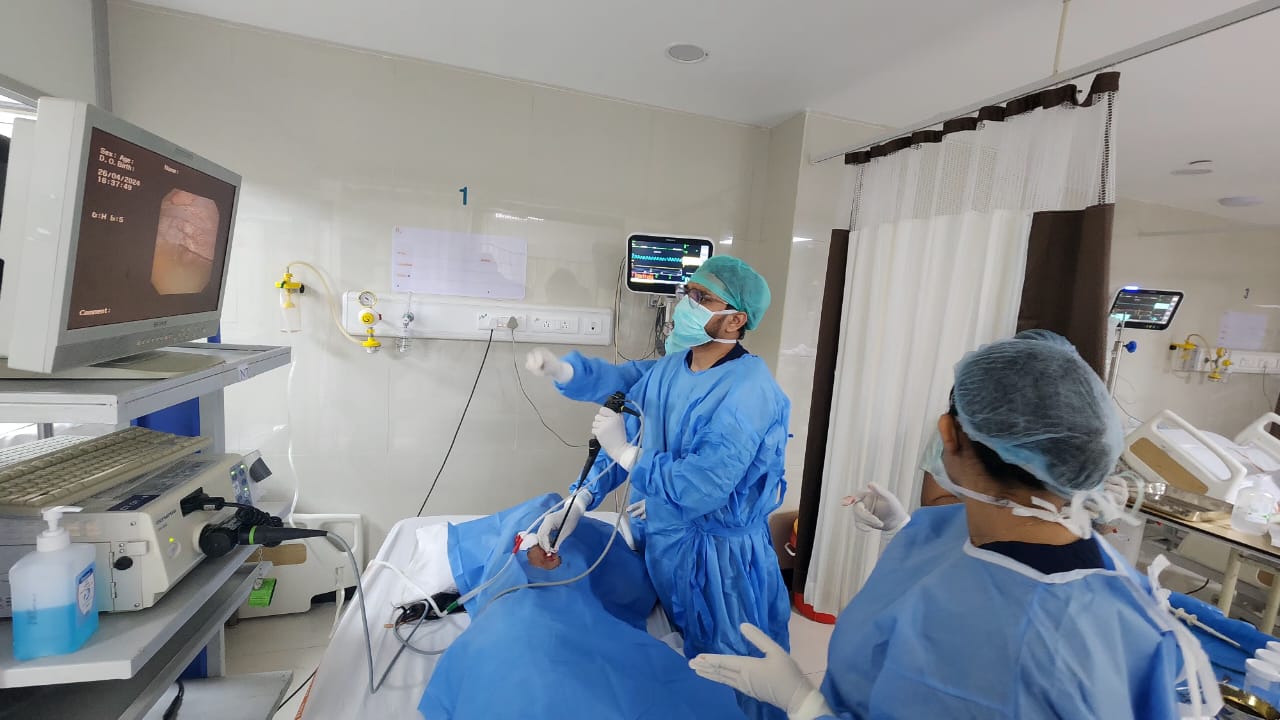
Understanding the Pleura
The pleura is a thin, two-layered membrane that surrounds each lung and lines the chest wall. Between these layers is a small amount of fluid that allows the lungs to move smoothly during breathing. Diseases affecting this space can cause significant breathing difficulties and require specialized care.
Conditions We Treat
Pleural Effusion
Fluid accumulation between the lung and chest wall, which can be caused by infections, heart failure, cancer, or other conditions.
Common symptoms:
- Shortness of breath
- Chest pain (pleuritic)
- Dry cough
- Reduced exercise tolerance
Pneumothorax
Air in the pleural space causing lung collapse. Can be spontaneous, traumatic, or related to lung disease.
Common symptoms:
- Sudden chest pain
- Shortness of breath
- Rapid breathing
- Rapid heart rate
Empyema
Infected fluid in the pleural space, usually a complication of pneumonia requiring drainage and antibiotics.
Common symptoms:
- Fever
- Chest pain
- Difficulty breathing
- Night sweats
Malignant Pleural Disease
Cancer involving the pleura, either primary (mesothelioma) or metastatic from lung or other cancers.
Common symptoms:
- Progressive breathlessness
- Chest wall pain
- Weight loss
- Recurrent effusions
Procedures & Interventions
Advanced diagnostic and therapeutic options for pleural conditions
Thoracentesis
Removal of fluid from the pleural space using a needle for diagnosis and symptom relief. Usually performed as an outpatient procedure.
Chest Tube Drainage
Placement of a tube to continuously drain fluid or air from the pleural space for larger collections or pneumothorax.
Medical Thoracoscopy
Minimally invasive procedure to visualize the pleural space, take biopsies, and perform pleurodesis.
Pleurodesis
Procedure to prevent fluid reaccumulation by creating adhesion between lung and chest wall, using talc or other agents.
Indwelling Pleural Catheter (IPC)
Tunneled catheter allowing home drainage for patients with recurrent effusions, especially malignant.
When to Seek Medical Attention
Pleural conditions can range from mild to life-threatening. Seek prompt medical attention if you experience these symptoms.
- Sudden, severe chest pain
- Difficulty breathing at rest
- Rapid, shallow breathing
- Blue discoloration of lips or nails
- Chest pain with fever
- Progressive shortness of breath
Expert Pleural Disease Management
Get specialized care for pleural conditions from an experienced interventional pulmonologist. Schedule your consultation today.