Bronchoscopy
A safe, minimally invasive procedure to examine your airways and lungs. Used for both diagnosis and treatment of various respiratory conditions.
What is Bronchoscopy?
Bronchoscopy is a procedure that allows your doctor to look directly at your airways using a thin, flexible tube called a bronchoscope. The scope has a tiny camera and light that transmits images to a monitor.
Through the bronchoscope, your doctor can examine your trachea (windpipe), main bronchi, and smaller airways. Samples of tissue or fluid can be collected for testing, and certain treatments can be delivered directly to the airways.
The procedure is typically done as an outpatient procedure with sedation, meaning you can go home the same day after a short observation period.
Quick Facts
- Procedure Type
- Minimally invasive, outpatient
- Duration
- 15-60 minutes depending on type
- Anesthesia
- Sedation + local anesthesia
- Recovery
- 1-2 hours, home same day
Types of Bronchoscopy
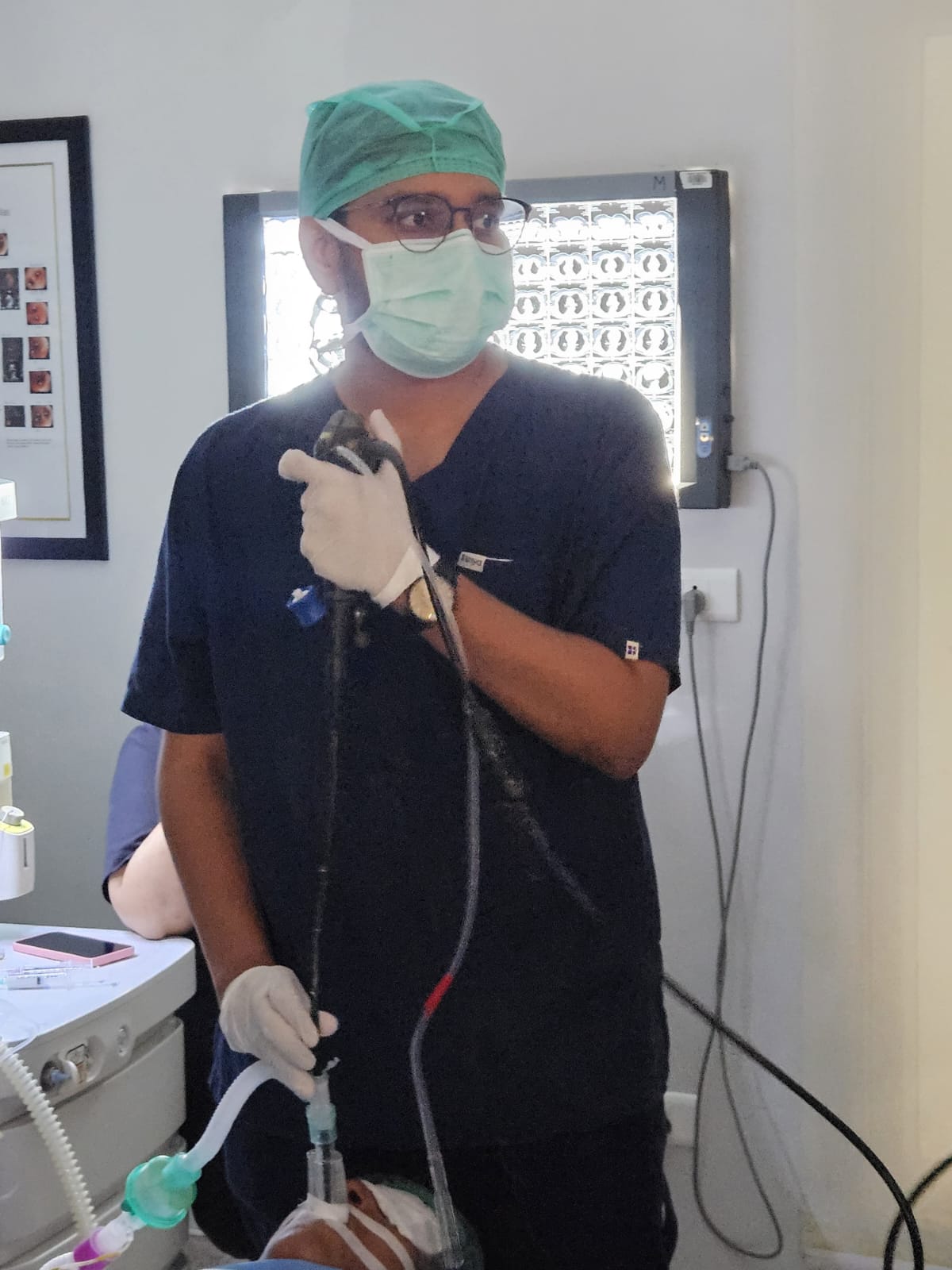
Flexible Bronchoscopy
The most common type, using a thin, flexible tube with a camera. Usually done with sedation and local anesthesia.
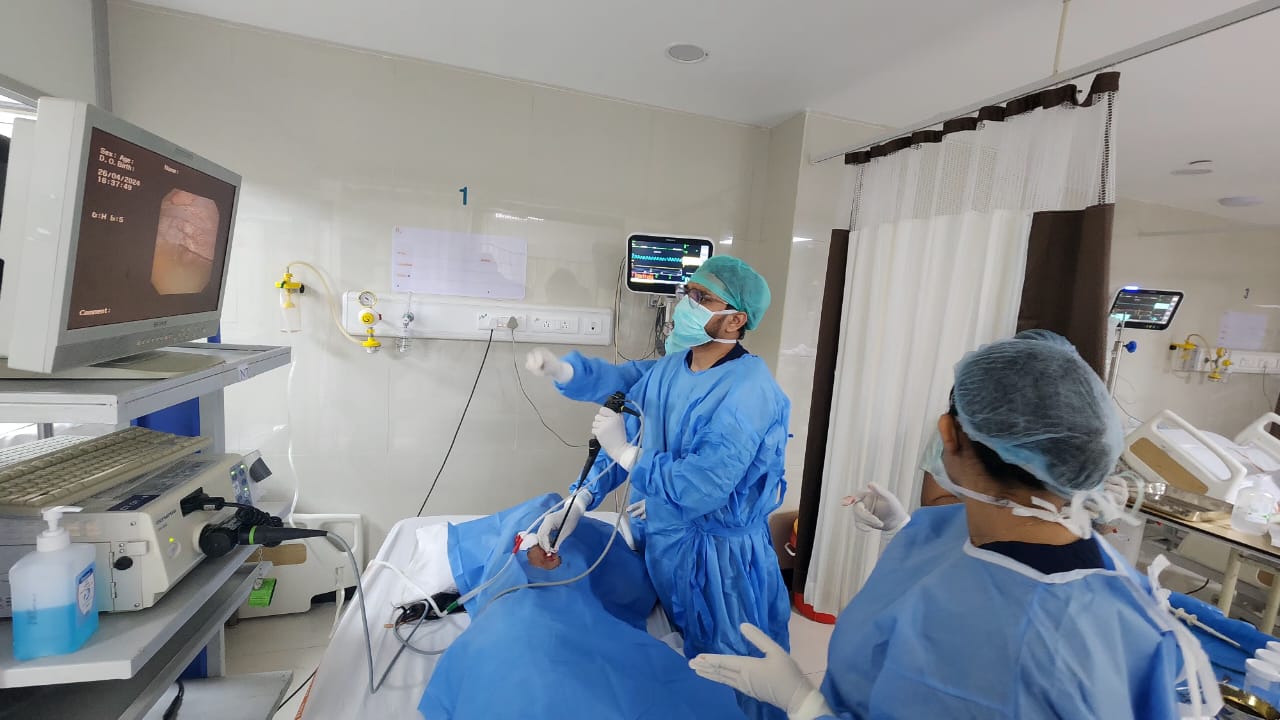
Rigid Bronchoscopy
Uses a straight metal tube under general anesthesia. Reserved for complex procedures or when larger instruments are needed.
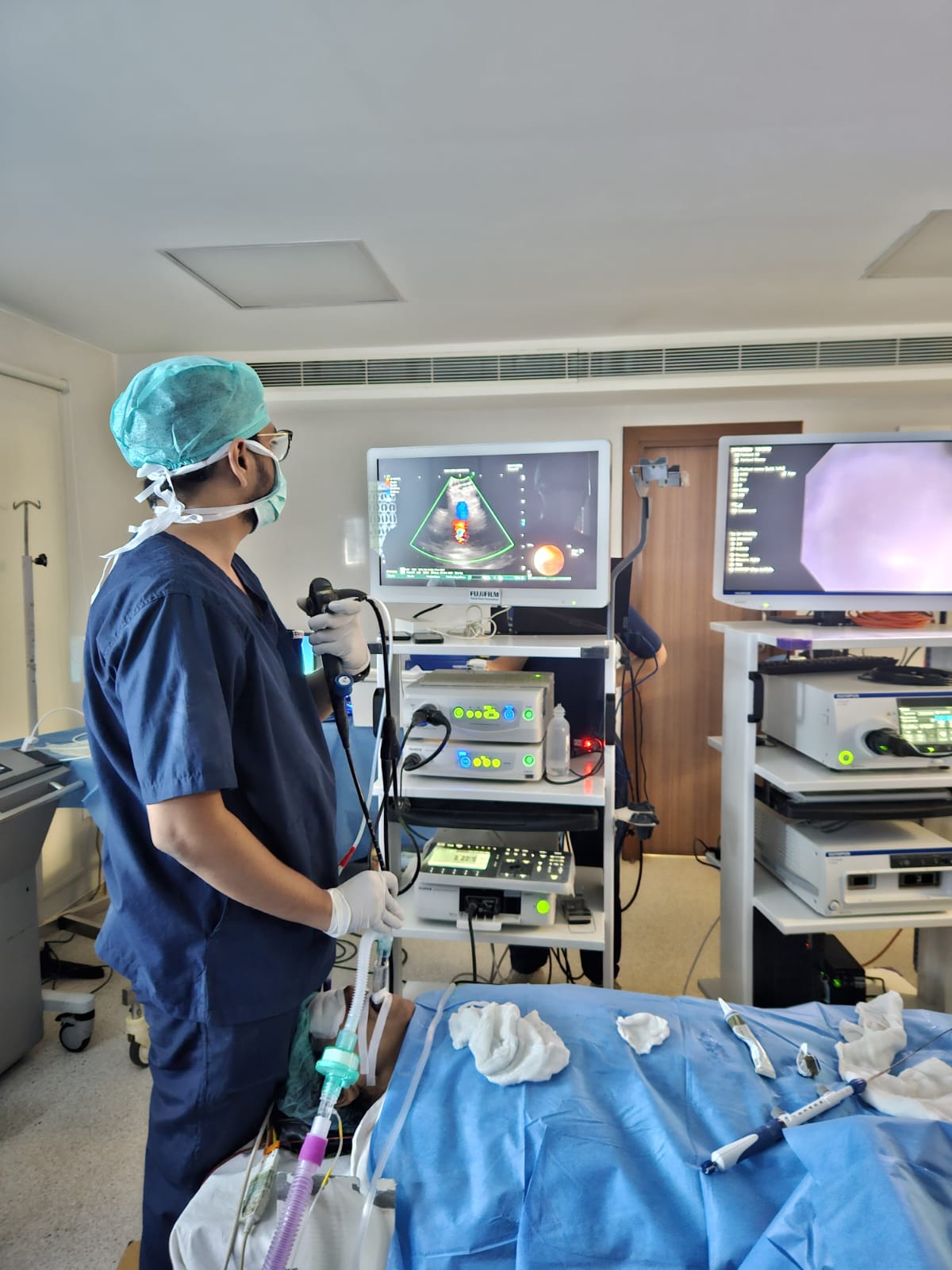
EBUS Bronchoscopy
Combines bronchoscopy with ultrasound for imaging structures beyond the airway walls, enabling guided biopsies.
When is Bronchoscopy Needed?
Diagnostic
- Persistent cough evaluation
- Hemoptysis (coughing blood)
- Abnormal chest X-ray or CT findings
- Suspected lung cancer
- Lung infections
- Interstitial lung disease
Therapeutic
- Foreign body removal
- Airway tumor treatment
- Mucus plug removal
- Stent placement
- Bleeding control
- Stricture dilation
Common Questions
Is bronchoscopy painful?
No, bronchoscopy is generally not painful. You'll receive sedation to keep you comfortable and local anesthesia to numb your throat. Most patients feel minimal discomfort during the procedure.
How do I prepare for bronchoscopy?
You'll need to fast for 6-8 hours before the procedure. Inform your doctor about all medications, especially blood thinners. Arrange for someone to drive you home as you'll be sedated.
What happens after the procedure?
You'll be monitored for 1-2 hours until the sedation wears off. You may have a mild sore throat for a day. Results from biopsies typically take a few days. Most patients can resume normal activities the next day.
Are there risks with bronchoscopy?
Bronchoscopy is generally very safe. Minor risks include sore throat, hoarseness, and minor bleeding. Serious complications are rare when performed by an experienced pulmonologist.
Need a Bronchoscopy?
Get expert care from an experienced interventional pulmonologist. Schedule your consultation today.