
While general physicians handle many respiratory issues, some conditions require the expertise of a pulmonologist - a specialist trained in diagnosing and treating diseases of the lungs, airways, and chest. Knowing when to seek specialized care can make a significant difference in your health outcomes.
What is a Pulmonologist?
A pulmonologist (also called a lung specialist or chest physician) is a doctor who has completed:
- Medical degree (MBBS)
- Post-graduate training in Internal Medicine or Pulmonary Medicine (MD)
- Often additional fellowship in subspecialties like Interventional Pulmonology or Sleep Medicine
Pulmonologists have advanced training in:
- Interpreting lung function tests
- Reading chest CT scans and X-rays
- Performing bronchoscopy and other procedures
- Managing complex respiratory diseases
- Sleep disorder evaluation and treatment
When to See a Pulmonologist: Key Symptoms
1. Persistent Cough (>3 Weeks)
A cough lasting more than three weeks, especially if accompanied by:
- Blood or bloody mucus
- Unexplained weight loss
- Shortness of breath
- Chest pain
- Night sweats or fever
2. Unexplained Shortness of Breath
See a specialist if you experience breathlessness:
- At rest or with minimal activity
- That's progressively worsening
- That limits your daily activities
- When lying flat (orthopnea)
- That wakes you from sleep
3. Wheezing or Noisy Breathing
Especially if:
- It's new or unexplained
- Current treatment isn't helping
- It occurs frequently
4. Chronic or Recurrent Respiratory Infections
- Pneumonia more than twice a year
- Recurrent bronchitis
- Infections that don't respond to standard treatment
5. Sleep Problems Suggesting Sleep Apnea
- Loud snoring with witnessed breathing pauses
- Excessive daytime sleepiness despite adequate sleep
- Morning headaches and dry mouth
- Difficulty concentrating
Conditions That Require a Pulmonologist
Seek Immediate Specialist Care For:
- Suspected lung cancer
- Pulmonary embolism (blood clot in lungs)
- Severe asthma attacks
- Acute respiratory failure
- Coughing up significant blood
Chronic Conditions:
- Asthma: Especially if poorly controlled or severe
- COPD: Emphysema, chronic bronchitis
- Pulmonary fibrosis: Scarring of lung tissue
- Bronchiectasis: Damaged, widened airways
- Interstitial lung diseases: Various conditions affecting lung tissue
Sleep Disorders:
- Obstructive sleep apnea
- Central sleep apnea
- Obesity hypoventilation syndrome
- Narcolepsy
Infections:
- Tuberculosis
- Non-tuberculous mycobacterial infections
- Fungal lung infections
- Complex pneumonias
Occupational Lung Diseases:
- Silicosis (stone workers)
- Asbestosis
- Coal worker's pneumoconiosis
- Occupational asthma
Other Conditions:
- Pleural diseases (fluid around lungs)
- Lung nodules found on imaging
- Pulmonary hypertension
- Sarcoidosis
- Alpha-1 antitrypsin deficiency
Situations Requiring a Pulmonologist
When Your General Physician Refers You
Your GP may refer you for:
- Abnormal chest X-ray or CT findings
- Symptoms not responding to initial treatment
- Need for specialized testing (bronchoscopy, sleep study)
- Complex or unclear diagnosis
Before Surgery
Pre-operative pulmonary evaluation if you have:
- Known lung disease
- Smoking history
- History of breathing problems during anesthesia
- Planned lung surgery
Special Circumstances
- Smokers: Screening for lung disease, especially with symptoms
- Post-COVID: Persistent respiratory symptoms after recovery
- Athletes: Exercise-induced breathing difficulties
- Pregnancy: Respiratory issues requiring specialist management
What to Expect at Your First Visit
Medical History Review:
- Detailed symptom history
- Smoking and occupational exposure history
- Family history of lung disease
- Current medications
- Previous treatments and their effectiveness
Physical Examination:
- Listening to your lungs and heart
- Checking for signs of respiratory distress
- Examining related areas (neck, extremities)
Tests That May Be Ordered:
- Spirometry: Measures how well you breathe
- Chest X-ray or CT scan: Visualizes lung structure
- Blood tests: Including arterial blood gas
- Sleep study: If sleep apnea is suspected
- Bronchoscopy: Direct visualization of airways
- Allergy testing: For suspected allergic triggers
How to Prepare for Your Appointment
- Bring previous medical records and test results
- List all current medications and supplements
- Write down your symptoms and when they occur
- Note questions you want to ask
- Bring someone to help remember information
Questions to Ask Your Pulmonologist
- What do you think is causing my symptoms?
- What tests do I need?
- What treatment options are available?
- What lifestyle changes should I make?
- How often do I need follow-up visits?
- What warning signs should prompt me to seek urgent care?
Don't Delay - Your Lungs Can't Wait
Many people put off seeing a specialist, hoping symptoms will resolve on their own. Unfortunately, lung conditions often worsen without proper treatment. Early intervention can:
- Prevent disease progression
- Preserve lung function
- Improve quality of life
- Reduce hospitalization risk
- Sometimes detect serious conditions (like cancer) early
Conclusion
If you're experiencing persistent respiratory symptoms or have been diagnosed with a lung condition that isn't well controlled, consulting a pulmonologist is a wise decision. Specialized expertise can make a significant difference in your diagnosis, treatment, and overall respiratory health.
Next Step
Need a proper diagnosis, not just more reading?
If this article matches what you are experiencing, the safest next step is a specialist review. Dr. Chaitanya consults at Medicover Hospitals, Secunderabad.
Call: +91 79721 73176
Location: Sarojini Devi Rd, Regimental Bazaar, Shivaji Nagar, Secunderabad, Telangana 500003
Quick booking: WhatsApp support and appointment confirmation available.
Helpful Internal Links
Treatment pages that match this topic
Book a pulmonologist consultation
Discuss symptoms, diagnosis, and whether specialist testing is needed.
Explore this pageExplore treatment services
Review care pathways for asthma, COPD, bronchoscopy, and chronic cough.
Explore this pageSleep and snoring concerns
If symptoms include snoring or fatigue, review sleep medicine support.
Explore this pageHave Questions About Your Respiratory Health?
Schedule a consultation with Dr. Chaitanya Kappagantu for personalized medical advice at Medicover Hospitals, Secunderabad or the clinic in Kukatpally.
Call +91 79721 73176 or visit Sarojini Devi Rd, Regimental Bazaar, Shivaji Nagar, Secunderabad, Telangana 500003
Questions Patients Ask Next
When should I book an appointment after reading this article?
Book a specialist visit if symptoms are persistent, worsening, disturbing sleep, limiting activity, or recurring despite treatment.
Where can I consult Dr. Chaitanya?
Appointments are available at Medicover Hospitals, Sarojini Devi Rd, Regimental Bazaar, Shivaji Nagar, Secunderabad, Telangana 500003 and Idea Clinics, Triveni Towers, Rd Number 1, Kukatpally Housing Board Colony, Hyderabad, Telangana.
How do I book quickly?
Call +91 79721 73176 or message on WhatsApp for quick appointment support.
Dr. Chaitanya Kappagantu
Consultant Interventional Pulmonologist
MBBS, MD (Pulmonary Medicine), Fellowship in Interventional Pulmonology. Practicing at Medicover Hospitals, Secunderabad and Idea Clinics, Kukatpally, Hyderabad. 3+ years of experience in advanced respiratory care, sleep medicine, and bronchoscopy.
View Full Profile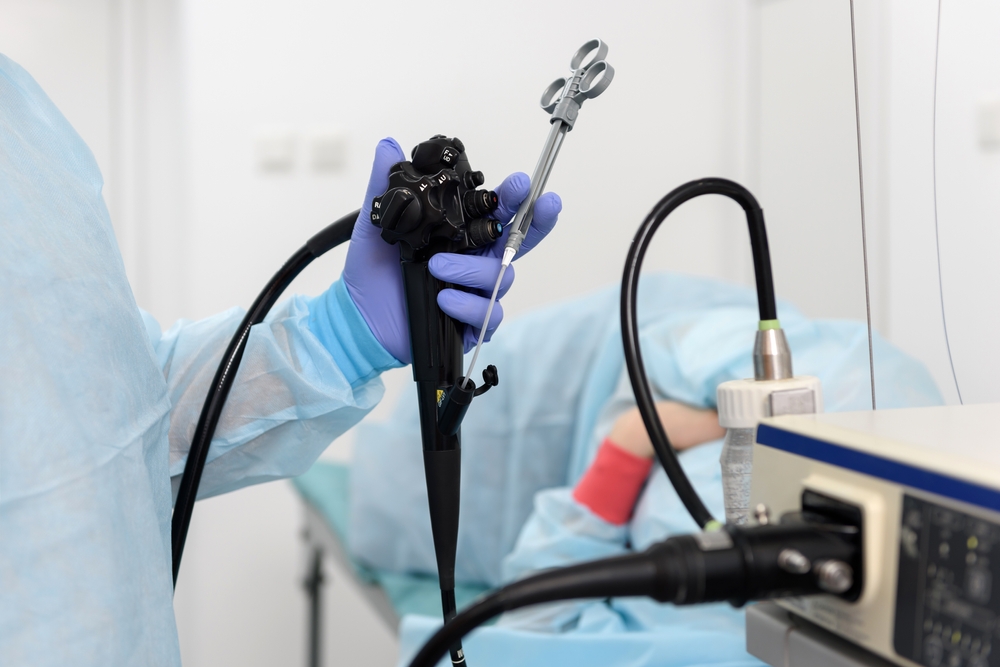

.jpg)