Do you wake up tired despite sleeping 7-8 hours? Does your partner complain about your thunderous snoring? You might be among the millions suffering from obstructive sleep apnea (OSA) - a condition far more dangerous than mere snoring.
What is Sleep Apnea?
Sleep apnea is a sleep disorder where breathing repeatedly stops and starts during sleep. The most common type, Obstructive Sleep Apnea (OSA), occurs when throat muscles relax and block the airway. These breathing pauses can last 10 seconds to over a minute and may occur 30 or more times per hour.
The Hidden Danger of "Just Snoring"
Many people dismiss snoring as harmless, but it's often the most audible sign of sleep apnea. Here's why it matters:
- Each apnea episode drops your blood oxygen levels
- Your brain partially awakens to restore breathing (often without you realizing)
- This fragmented sleep prevents restorative deep sleep
- Your cardiovascular system suffers repeated stress throughout the night
Recognizing Sleep Apnea: Key Symptoms
Nighttime Symptoms:
- Loud, persistent snoring
- Witnessed breathing pauses during sleep
- Gasping or choking episodes
- Restless sleep and frequent awakenings
- Night sweats
- Frequent urination at night (nocturia)
Daytime Symptoms:
- Excessive daytime sleepiness
- Morning headaches
- Dry mouth or sore throat upon waking
- Difficulty concentrating
- Memory problems
- Irritability and mood changes
- Decreased libido
Who's at Risk?
While anyone can develop sleep apnea, certain factors increase risk:
- Obesity: The most significant risk factor - excess tissue around the neck
- Age: More common after 40, though can occur at any age
- Gender: Men are 2-3 times more likely to have OSA
- Neck circumference: Greater than 17 inches in men, 16 inches in women
- Family history: Genetic factors play a role
- Alcohol and sedatives: Relax throat muscles
- Smoking: Increases inflammation and fluid retention
- Nasal congestion: Chronic nasal issues increase risk
The Serious Health Consequences
Untreated sleep apnea isn't just about being tired - it's a serious health risk:
Cardiovascular Problems:
- Hypertension: 50% of OSA patients have high blood pressure
- Heart disease: 2-3x increased risk of heart attack
- Stroke: 4x increased risk
- Atrial fibrillation: Irregular heart rhythms
Metabolic Issues:
- Type 2 diabetes (OSA affects insulin sensitivity)
- Weight gain (hormonal disruption increases appetite)
Other Complications:
- Depression and anxiety
- Decreased quality of life
- Increased accident risk (drowsy driving)
- Complications with medications and surgery
The STOP-BANG Questionnaire
A quick screening tool for sleep apnea risk. Score 1 point for each "yes":
- Snoring: Do you snore loudly?
- Tired: Are you often tired during the day?
- Observed: Has anyone seen you stop breathing during sleep?
- Pressure: Do you have high blood pressure?
- BMI: Is your BMI over 35?
- Age: Are you over 50?
- Neck: Is your neck circumference greater than 40cm (16 inches)?
- Gender: Are you male?
Score of 3 or more: High risk - get evaluated!
Diagnosis: The Sleep Study
A polysomnography (sleep study) is the gold standard for diagnosing sleep apnea. This overnight test monitors:
- Brain waves (sleep stages)
- Eye movements
- Heart rate and rhythm
- Breathing patterns
- Blood oxygen levels
- Leg movements
Home sleep tests are also available for uncomplicated cases, offering convenience with good accuracy.
Treatment Options
1. CPAP Therapy (Continuous Positive Airway Pressure)
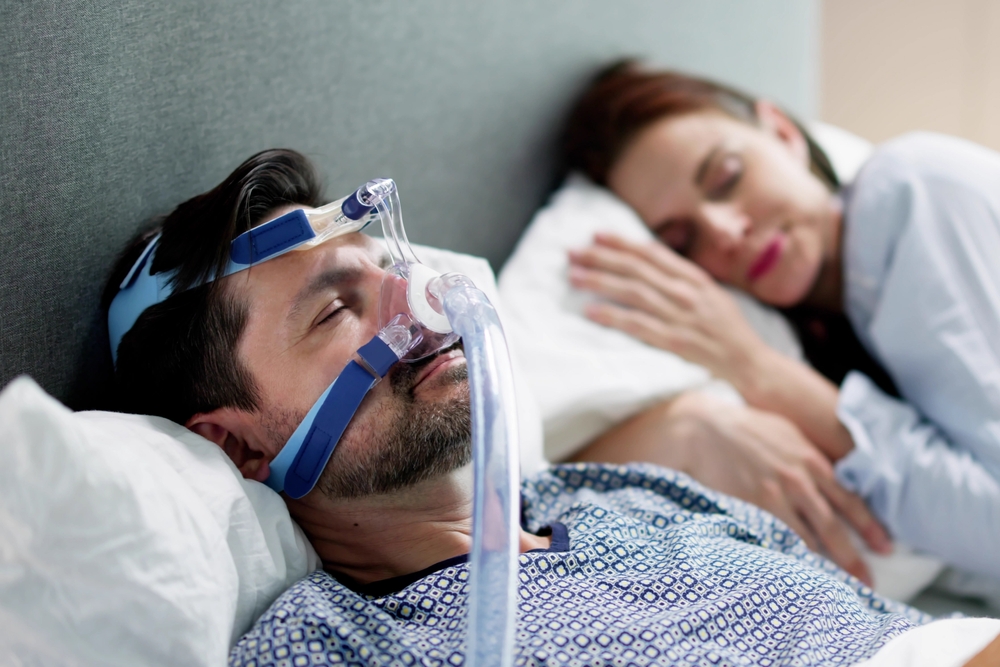
The gold standard treatment. A machine delivers constant air pressure through a mask, keeping airways open. Modern CPAP machines are quiet, compact, and highly effective.
2. BiPAP Therapy
Similar to CPAP but delivers two pressure levels - higher for inhalation, lower for exhalation. Better tolerated by some patients.
3. Lifestyle Modifications
- Weight loss (even 10% weight reduction helps significantly)
- Sleeping on your side instead of back
- Avoiding alcohol before bed
- Quitting smoking
4. Oral Appliances
Custom dental devices that reposition the jaw to keep the airway open. Suitable for mild to moderate OSA.
5. Surgery
Options include uvulopalatopharyngoplasty (UPPP), jaw repositioning, or nerve stimulation implants for severe cases unresponsive to other treatments.
Living Well with Sleep Apnea
With proper treatment, most people with sleep apnea experience dramatic improvements:
- Restored energy and alertness
- Better mood and cognitive function
- Reduced cardiovascular risk
- Improved quality of life
Take Action Today
If you or your partner notice symptoms of sleep apnea, don't wait. A simple sleep study can diagnose the condition, and effective treatments are available. Quality sleep isn't a luxury - it's essential for health.
Next Step
Need a proper diagnosis, not just more reading?
If this article matches what you are experiencing, the safest next step is a specialist review. Dr. Chaitanya consults at Medicover Hospitals, Secunderabad.
Call: +91 79721 73176
Location: Sarojini Devi Rd, Regimental Bazaar, Shivaji Nagar, Secunderabad, Telangana 500003
Quick booking: WhatsApp support and appointment confirmation available.
Helpful Internal Links
Treatment pages that match this topic
Sleep study and CPAP care
Learn about sleep studies, CPAP, BiPAP, and snoring evaluation.
Explore this pageSnoring or daytime fatigue
See when sleep apnea needs more than home remedies or trial measures.
Explore this pageRespiratory treatments overview
Review the wider pulmonology services available for sleep-related breathing issues.
Explore this pageHave Questions About Your Respiratory Health?
Schedule a consultation with Dr. Chaitanya Kappagantu for personalized medical advice at Medicover Hospitals, Secunderabad or the clinic in Kukatpally.
Call +91 79721 73176 or visit Sarojini Devi Rd, Regimental Bazaar, Shivaji Nagar, Secunderabad, Telangana 500003
Questions Patients Ask Next
When is snoring serious enough for a sleep medicine appointment?
Book an evaluation if snoring is loud, your sleep is unrefreshing, you wake gasping, or you feel sleepy in the daytime.
Do I need a sleep study before treatment?
A sleep study often confirms the diagnosis and helps decide whether CPAP, BiPAP, lifestyle changes, or another treatment is best.
Where can I consult Dr. Chaitanya?
Appointments are available at Medicover Hospitals, Sarojini Devi Rd, Regimental Bazaar, Shivaji Nagar, Secunderabad, Telangana 500003 and Idea Clinics, Triveni Towers, Rd Number 1, Kukatpally Housing Board Colony, Hyderabad, Telangana.
How do I book quickly?
Call +91 79721 73176 or message on WhatsApp for quick appointment support.

Dr. Chaitanya Kappagantu
Consultant Interventional Pulmonologist
MBBS, MD (Pulmonary Medicine), Fellowship in Interventional Pulmonology. Practicing at Medicover Hospitals, Secunderabad and Idea Clinics, Kukatpally, Hyderabad. 3+ years of experience in advanced respiratory care, sleep medicine, and bronchoscopy.
View Full Profile
.jpg)