Your lungs, like any other organ, benefit from regular exercise. Breathing exercises can improve lung capacity, strengthen respiratory muscles, reduce stress, and enhance overall health. Best of all, you can do them anywhere, anytime - no equipment needed.
Why Breathing Exercises Matter
Most people use only a fraction of their lung capacity. Shallow chest breathing is common, especially among those with sedentary lifestyles or chronic stress. Breathing exercises help you:
- Utilize your full lung capacity
- Strengthen the diaphragm (main breathing muscle)
- Improve oxygen delivery to tissues
- Clear mucus from airways
- Reduce breathlessness
- Lower stress and anxiety
- Improve focus and concentration
Who Benefits Most?
- People with COPD, asthma, or other lung conditions
- Post-COVID patients recovering lung function
- Smokers (current or former)
- Those with sedentary jobs
- Anyone wanting to improve respiratory fitness
- Yoga and meditation practitioners
- Athletes looking to enhance performance
5 Effective Breathing Exercises
1. Diaphragmatic (Belly) Breathing
Purpose: Strengthens the diaphragm, improves lung efficiency
How to do it:
- Lie on your back with knees bent (or sit comfortably)
- Place one hand on your chest, another on your belly
- Breathe in slowly through your nose for 4 counts
- Your belly should rise, but your chest should barely move
- Exhale slowly through pursed lips for 6 counts
- Feel your belly fall
Duration: 5-10 minutes, 3-4 times daily
Tip: Place a light book on your belly to provide feedback
Why Belly Breathing?
The diaphragm is designed to do 80% of the breathing work. Chest breathing uses accessory muscles inefficiently, leading to fatigue and shallow breaths. Diaphragmatic breathing is how babies naturally breathe - we unlearn it as adults!
2. Pursed-Lip Breathing
Purpose: Slows breathing rate, keeps airways open longer, reduces shortness of breath
How to do it:
- Relax your neck and shoulder muscles
- Breathe in slowly through your nose for 2 counts
- Purse your lips as if you're going to whistle or blow out a candle
- Exhale slowly and gently through pursed lips for 4 counts
- Don't force the air out - let it flow naturally
Duration: 4-5 times per session, whenever needed
Best for: COPD patients, during physical activity, when feeling breathless
3. Box Breathing (Square Breathing)
Purpose: Reduces stress, improves focus, regulates the nervous system
How to do it:
- Sit upright in a comfortable position
- Exhale completely
- Breathe in through your nose for 4 counts
- Hold your breath for 4 counts
- Exhale through your mouth for 4 counts
- Hold (empty lungs) for 4 counts
- Repeat the cycle
Duration: 4-6 cycles, 2-3 times daily
Tip: Start with 3-count cycles if 4 counts feels difficult
4. 4-7-8 Breathing (Relaxing Breath)
Purpose: Promotes relaxation, helps with sleep, reduces anxiety
How to do it:
- Place the tip of your tongue behind your upper front teeth
- Exhale completely through your mouth, making a whoosh sound
- Close your mouth and inhale through your nose for 4 counts
- Hold your breath for 7 counts
- Exhale completely through your mouth for 8 counts (whoosh sound)
- This is one cycle - repeat 3-4 times
Duration: 3-4 cycles, twice daily (morning and before bed)
Caution: Stop if you feel dizzy; start with fewer cycles
5. Rib Stretch Breathing
Purpose: Expands lung capacity, stretches intercostal muscles
How to do it:
- Stand upright or sit straight
- Place your hands on the sides of your ribcage
- Exhale completely
- Inhale slowly and deeply, feeling your ribs expand outward against your hands
- Hold for 2-3 seconds at full capacity
- Exhale slowly, feeling ribs move inward
Duration: 5-10 breaths, 2-3 times daily
Variation: Raise arms overhead while inhaling for extra stretch
Creating Your Daily Routine
Morning Routine (5 minutes):
- 5 Diaphragmatic breaths
- 4 Box breathing cycles
- 5 Rib stretch breaths
Evening Routine (5 minutes):
- 5 Diaphragmatic breaths
- 4 cycles of 4-7-8 breathing
- 5 Pursed-lip breaths
During the Day:
- Use pursed-lip breathing during physical activity
- Practice box breathing during stressful moments
- Take 3 deep diaphragmatic breaths every hour
Tips for Success
- Consistency matters: Even 5 minutes daily brings benefits
- Start slow: Don't force deep breaths initially
- Comfortable position: Practice sitting or lying down at first
- Quiet environment: Minimize distractions when learning
- Empty stomach: Practice before meals or 2 hours after
- Track progress: Note how many breaths per minute you take (normal is 12-20)
Precautions
- Stop if you feel dizzy, lightheaded, or uncomfortable
- Don't hold your breath if you have uncontrolled blood pressure
- Consult your doctor before starting if you have severe lung disease
- Avoid breath holds during pregnancy
Conclusion
Breathing exercises are one of the simplest yet most powerful tools for improving respiratory health. With just 10 minutes daily, you can strengthen your lungs, reduce stress, and enhance your overall wellbeing. Start today - your lungs will thank you!
Next Step
Need a proper diagnosis, not just more reading?
If this article matches what you are experiencing, the safest next step is a specialist review. Dr. Chaitanya consults at Medicover Hospitals, Secunderabad.
Call: +91 79721 73176
Location: Sarojini Devi Rd, Regimental Bazaar, Shivaji Nagar, Secunderabad, Telangana 500003
Quick booking: WhatsApp support and appointment confirmation available.
Helpful Internal Links
Treatment pages that match this topic
Check lung symptoms properly
Breathing exercises help, but ongoing symptoms still need diagnosis first.
Explore this pageChronic cough evaluation
If symptoms persist, move from home care to structured respiratory assessment.
Explore this pagePulmonology services overview
See the conditions and procedures managed by Dr. Chaitanya.
Explore this pageHave Questions About Your Respiratory Health?
Schedule a consultation with Dr. Chaitanya Kappagantu for personalized medical advice at Medicover Hospitals, Secunderabad or the clinic in Kukatpally.
Call +91 79721 73176 or visit Sarojini Devi Rd, Regimental Bazaar, Shivaji Nagar, Secunderabad, Telangana 500003
Questions Patients Ask Next
Can breathing exercises replace a pulmonologist visit?
No. Breathing exercises can help support lung health, but they should not replace diagnosis if symptoms are persistent or progressive.
When should I move from self-care to specialist care?
If home remedies are not helping, symptoms keep returning, or you are unsure of the cause, specialist review is the safer next step.
Where can I consult Dr. Chaitanya?
Appointments are available at Medicover Hospitals, Sarojini Devi Rd, Regimental Bazaar, Shivaji Nagar, Secunderabad, Telangana 500003 and Idea Clinics, Triveni Towers, Rd Number 1, Kukatpally Housing Board Colony, Hyderabad, Telangana.
How do I book quickly?
Call +91 79721 73176 or message on WhatsApp for quick appointment support.
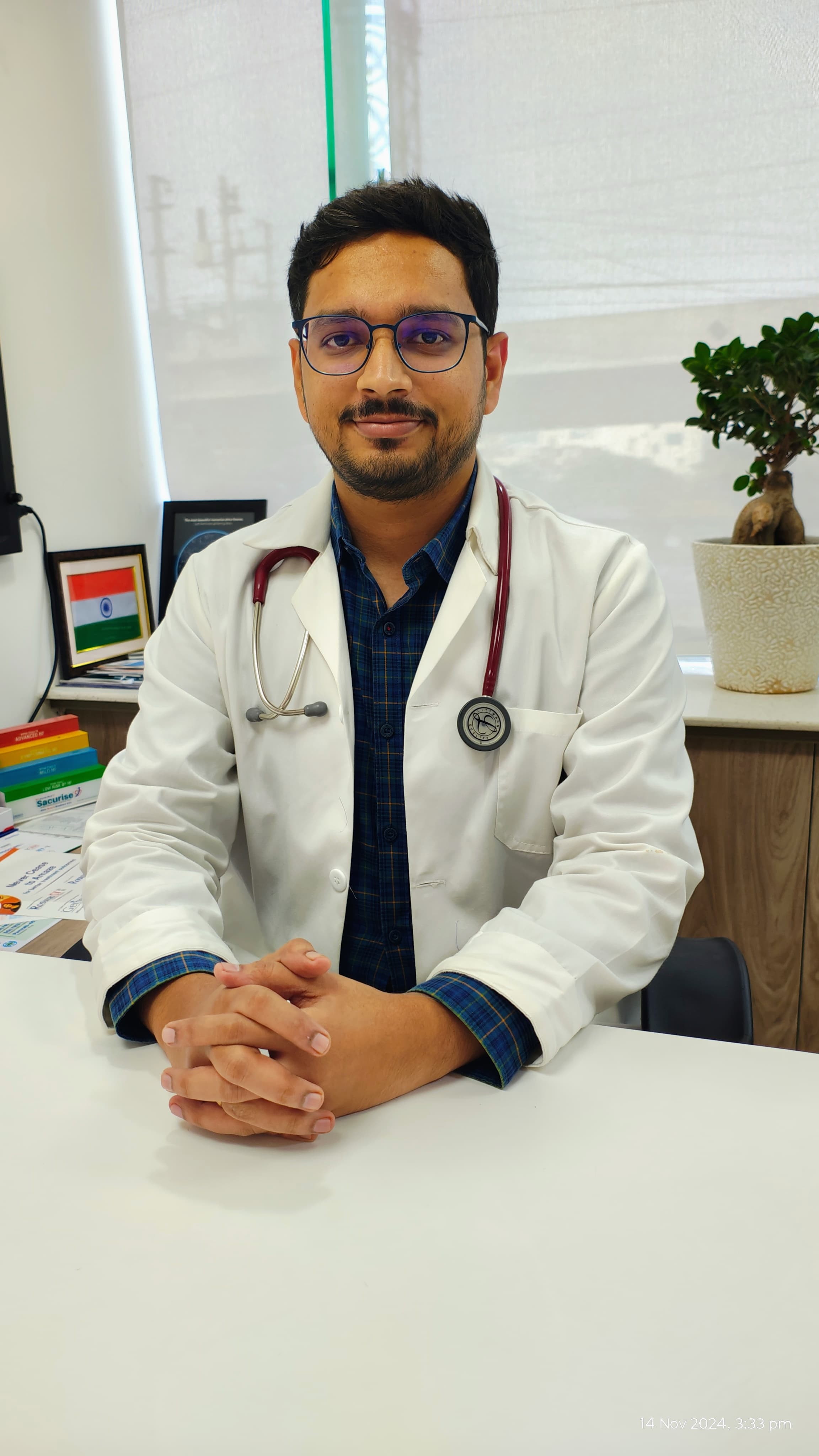
Dr. Chaitanya Kappagantu
Consultant Interventional Pulmonologist
MBBS, MD (Pulmonary Medicine), Fellowship in Interventional Pulmonology. Practicing at Medicover Hospitals, Secunderabad and Idea Clinics, Kukatpally, Hyderabad. 3+ years of experience in advanced respiratory care, sleep medicine, and bronchoscopy.
View Full Profile
.jpg)