
India has one of the highest asthma burdens globally, with approximately 30 million asthmatics. Many struggle with poorly controlled symptoms because they don't recognize or avoid the triggers around them - especially within their own homes.
Understanding Asthma Triggers
Asthma triggers are substances or conditions that irritate the airways, causing inflammation, mucus production, and bronchospasm (airway narrowing). Triggers vary from person to person, but some are nearly universal in Indian households.
Top Asthma Triggers in Indian Homes
1. Dust Mites
These microscopic creatures thrive in warm, humid environments and are the most common indoor allergen triggering asthma in India.
Where they hide:
- Mattresses, pillows, and bedding
- Carpets and rugs
- Upholstered furniture
- Stuffed toys
- Heavy curtains
Prevention strategies:
- Use allergen-proof mattress and pillow covers
- Wash bedding weekly in hot water (above 60°C)
- Remove carpets; use washable rugs
- Keep humidity below 50% (use dehumidifiers if needed)
- Vacuum with HEPA filter vacuums
2. Indoor Air Pollution
A significant problem in Indian homes, especially those using biomass fuels for cooking.
Sources:
- Cooking fumes (especially from LPG, kerosene, biomass)
- Agarbatti (incense) and dhoop
- Mosquito coils and repellents
- Room fresheners
- Paint fumes and cleaning chemicals
Prevention strategies:
- Ensure kitchen ventilation with exhaust fans
- Avoid or limit agarbatti use; choose natural alternatives
- Use electric mosquito repellents instead of coils
- Avoid strong perfumes and aerosol sprays
- Paint when asthmatic family members are away
Did You Know?
Burning one mosquito coil releases the same amount of particulate matter (PM2.5) as burning 75-137 cigarettes! This is especially harmful for asthmatics.
3. Outdoor Air Pollution
In cities like Hyderabad, Delhi, and Mumbai, air pollution is a major asthma trigger.
Prevention strategies:
- Check AQI (Air Quality Index) daily
- Stay indoors when AQI is high (above 100)
- Use N95/KN95 masks outdoors on high pollution days
- Keep windows closed during peak pollution hours
- Use air purifiers with HEPA filters indoors
- Exercise indoors on smoggy days
4. Pets and Animals
Pet dander (skin flakes), saliva, and urine are common triggers.
Prevention strategies:
- Keep pets out of bedrooms completely
- Bathe pets weekly
- Use HEPA air purifiers
- Wash hands after handling pets
- Consider allergen-reducing pet wipes
5. Mold and Dampness
India's monsoon season creates ideal conditions for mold growth.
High-risk areas:
- Bathrooms
- Kitchen sinks
- Air coolers
- Leaky roofs and walls
- Stored clothes in damp areas
Prevention strategies:
- Fix water leaks promptly
- Use exhaust fans in bathrooms
- Clean air coolers regularly with antifungal solutions
- Use dehumidifiers during monsoon
- Ensure clothes are completely dry before storing
6. Cockroaches
A surprisingly common but often overlooked trigger in Indian homes.
Prevention strategies:
- Keep food in sealed containers
- Clean kitchen thoroughly daily
- Seal cracks and gaps
- Use bait traps instead of sprays
- Don't leave dirty dishes overnight
7. Strong Odors and Fragrances
Even pleasant smells can trigger asthma symptoms.
Common culprits:
- Perfumes and deodorants
- Air fresheners
- Scented candles
- Strong-smelling soaps and detergents
- Hair sprays
Prevention strategies:
- Use fragrance-free products
- Ventilate rooms when using cleaning products
- Request visitors to avoid heavy perfumes
Seasonal Triggers in India
Pollen Seasons
- Spring (Feb-April): Tree pollen
- Monsoon (June-Sept): Grass pollen, mold spores
- Post-monsoon (Oct-Nov): Weed pollen, crop burning smoke
- Winter (Nov-Feb): Indoor allergens concentrated; cold air triggers
Festival Season Triggers
- Diwali: Firecrackers - extreme pollution spike
- Holi: Chemical colors
- Religious ceremonies: Incense, camphor smoke
Creating an Asthma-Friendly Home
Bedroom (Most Important):
- Allergen-proof bedding covers
- No carpets or heavy curtains
- Minimal furniture and clutter
- No pets allowed
- HEPA air purifier running
- Keep windows closed on high pollution days
Kitchen:
- Good ventilation/exhaust fan
- Clean regularly to prevent cockroaches
- Store food properly
- Avoid strong cooking fumes
Know Your Personal Triggers
Maintain an asthma diary to identify your specific triggers:
- Note symptoms, timing, and severity
- Record activities and exposures
- Track medication use
- Note weather and pollution levels
When Trigger Avoidance Isn't Enough
Even with perfect trigger avoidance, you need proper medical management:
- Take controller medications daily as prescribed
- Keep rescue inhaler accessible
- Have an asthma action plan
- Regular follow-ups with your pulmonologist
Conclusion
Asthma control is a partnership between medication and trigger avoidance. By identifying and minimizing your exposure to triggers - especially within your home - you can significantly reduce symptoms and improve your quality of life. Take control of your environment, and your asthma won't control you.
Next Step
Need a proper diagnosis, not just more reading?
If this article matches what you are experiencing, the safest next step is a specialist review. Dr. Chaitanya consults at Medicover Hospitals, Secunderabad.
Call: +91 79721 73176
Location: Sarojini Devi Rd, Regimental Bazaar, Shivaji Nagar, Secunderabad, Telangana 500003
Quick booking: WhatsApp support and appointment confirmation available.
Helpful Internal Links
Treatment pages that match this topic
Asthma and COPD treatment
Personalized plans for wheeze, triggers, inhalers, and long-term control.
Explore this pageNeed trigger evaluation
Book an appointment when symptoms affect sleep, work, or exercise.
Explore this pageSleep-related symptoms
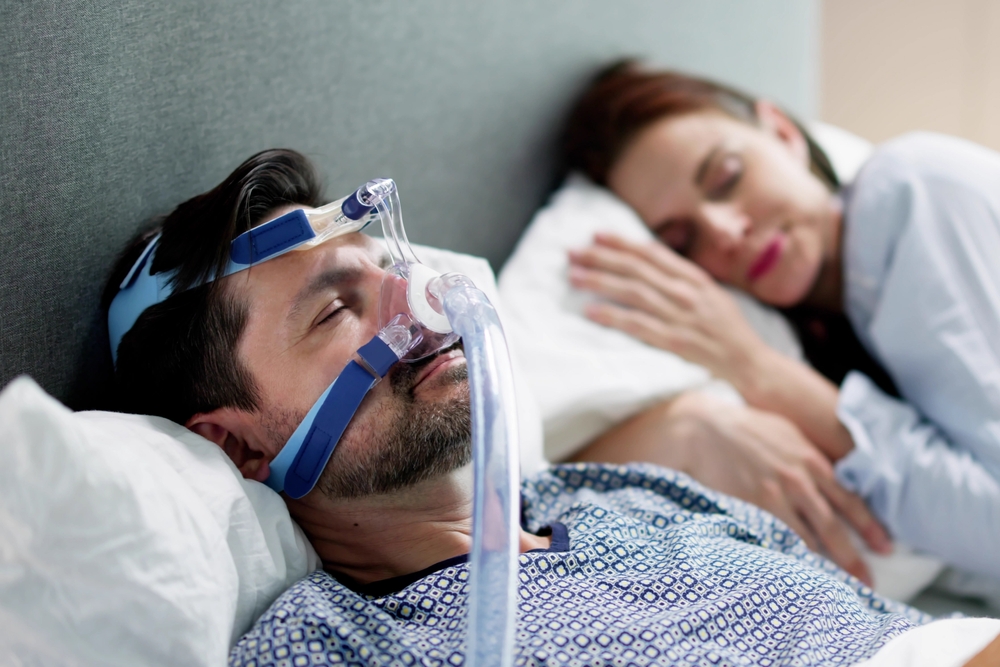
Assess whether night symptoms or snoring may be worsening asthma control.
Explore this pageHave Questions About Your Respiratory Health?
Schedule a consultation with Dr. Chaitanya Kappagantu for personalized medical advice at Medicover Hospitals, Secunderabad or the clinic in Kukatpally.
Call +91 79721 73176 or visit Sarojini Devi Rd, Regimental Bazaar, Shivaji Nagar, Secunderabad, Telangana 500003
Questions Patients Ask Next
Should I book if asthma symptoms still happen at night or during exercise?
Yes. Ongoing night symptoms, rescue inhaler overuse, or exercise limitation suggest asthma may not be well controlled.
Can trigger evaluation improve asthma control?
Yes. Identifying dust, smoke, pollution, allergy, reflux, or sleep-related contributors can make treatment more effective.
Where can I consult Dr. Chaitanya?
Appointments are available at Medicover Hospitals, Sarojini Devi Rd, Regimental Bazaar, Shivaji Nagar, Secunderabad, Telangana 500003 and Idea Clinics, Triveni Towers, Rd Number 1, Kukatpally Housing Board Colony, Hyderabad, Telangana.
How do I book quickly?
Call +91 79721 73176 or message on WhatsApp for quick appointment support.

Dr. Chaitanya Kappagantu
Consultant Interventional Pulmonologist
MBBS, MD (Pulmonary Medicine), Fellowship in Interventional Pulmonology. Practicing at Medicover Hospitals, Secunderabad and Idea Clinics, Kukatpally, Hyderabad. 3+ years of experience in advanced respiratory care, sleep medicine, and bronchoscopy.
View Full Profile
.jpg)